With our busy lives rushing in and out of the City, we often forget that around 300 years ago, the City all there was to London!
You can find a huge range of walking tours which will take you through the history of the Square Mile, but how about the individuals who have helped to shape the legacy of the area?
With the City being the cultural heart for poets, politicians and other artists, what famous historic people were actually born or once lived in the City? Let’s take a look.
Samuel Johnson (1709–1784)
Johnson was an English writer who, in his heyday, was considered a leading figure in the world of English poetry and literature.
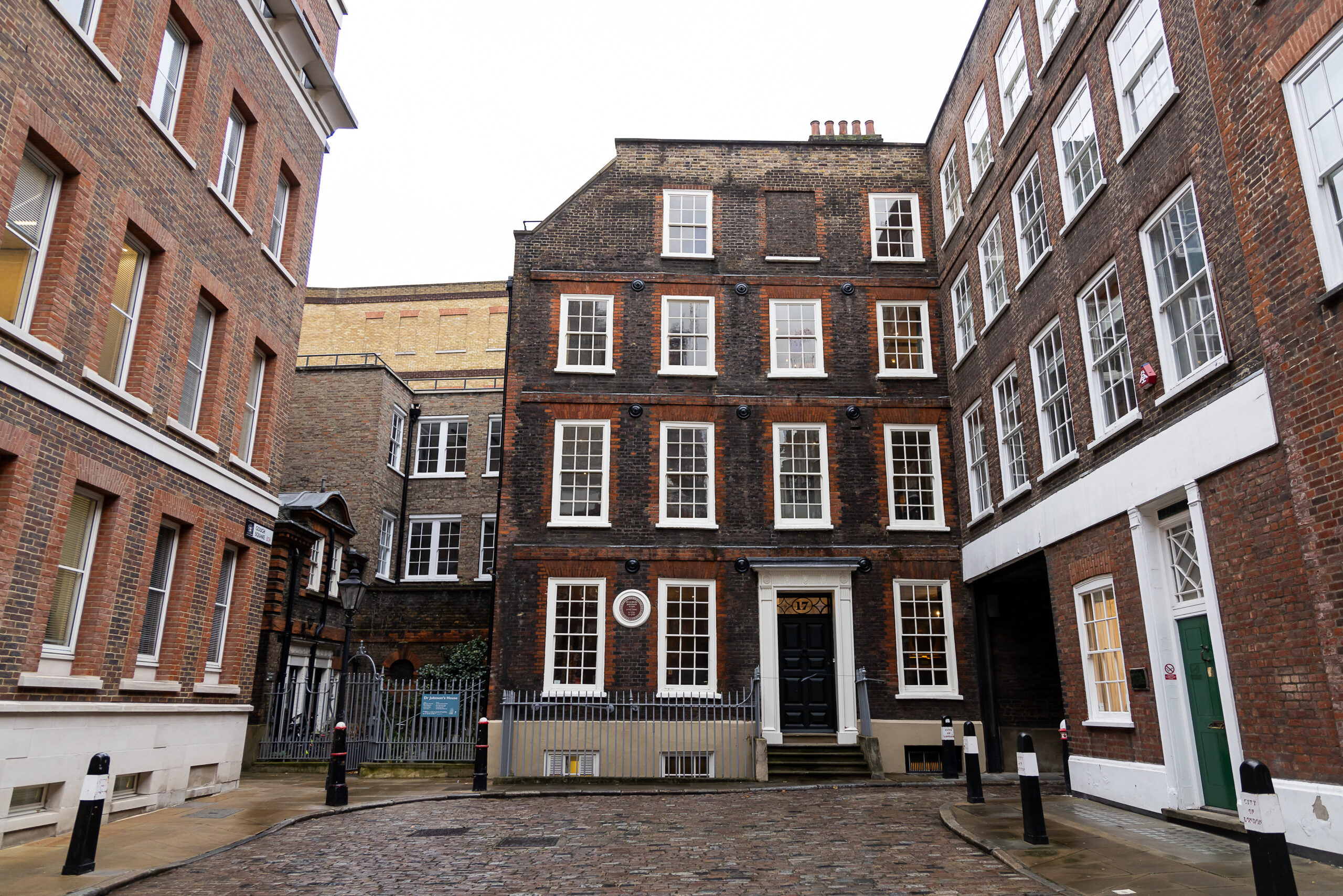
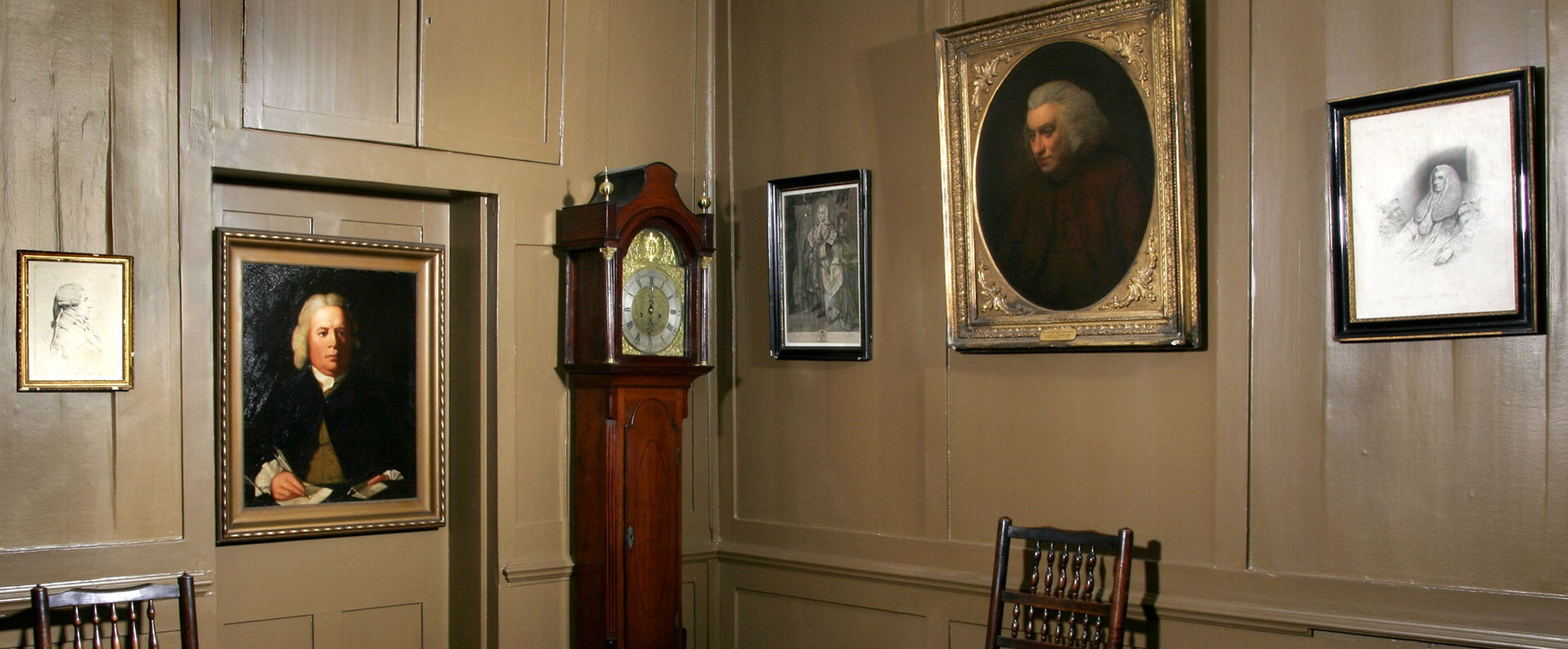
He was the son of a bookseller and was born in Lichfield, but moved to London in 1737. Allegedly, he’s had a total of 18 London residences in his life, out of which no. 17 Gough Square (now a writer’s museum called Dr Johnson’s House) is the only one to have survived.
Johnson was a big fan of city life, even claiming that “you find no man, at all intellectual, who is willing to leave London, as when a man is tired of London, he is tired of life.”
Samuel Pepys (1633–1703)
Mainly known for the diary he kept as a young member of the parliament between 1660 and 1696, Pepys worked as an administrator of the navy of England.
His published diary, including personal experiences and first-hand observations of important events, is still considered a key source of the English Restoration period, and Pepys was born in Salisbury Court, in the heart of the City.
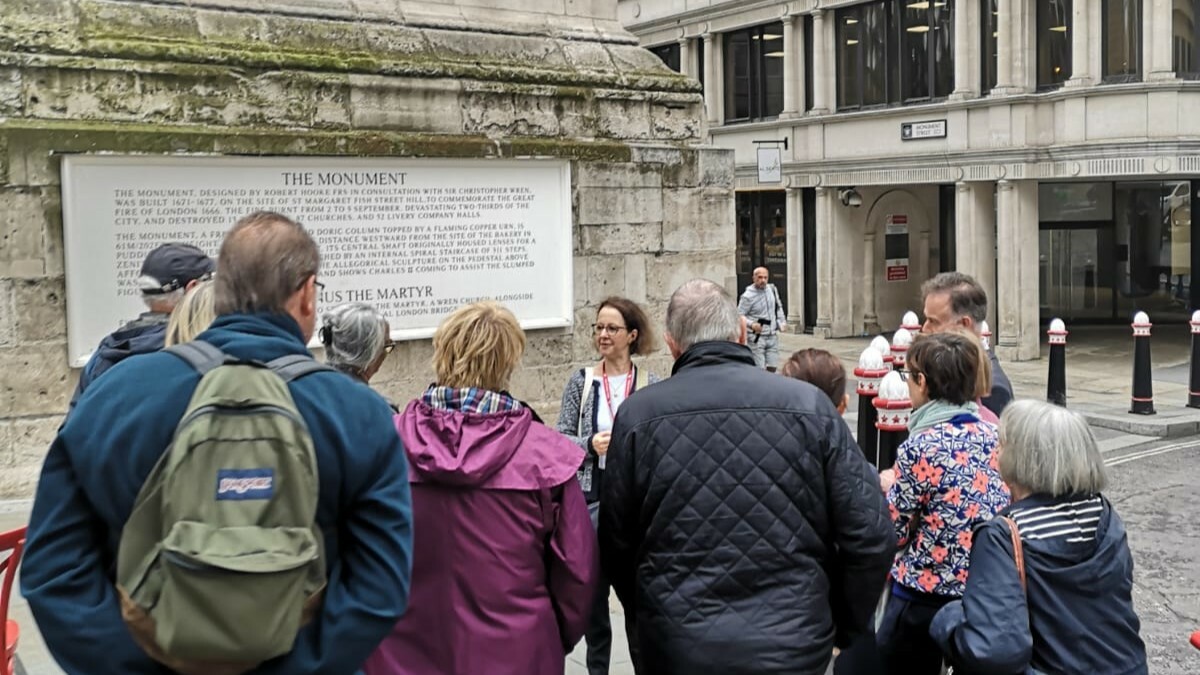
City of London Guides Pepys Day Walking Tour. Credit: Patrick Honey
John Keats (1795–1821)
At Moorgate no. 85, you’ll find a blue plaque, an official memorial for English poet John Keats.
Not much else is known about the time and place in which he was born, but what we do know is that, during his very short life, he was seen as a key figure of English Romantic poetry. His career was remarkable, with an oeuvre that was small yet incredibly innovative and original.
Not a typical Romantic poet (he often received criticism for being vulgar and incongruous), but instead a perfect example of the young, unfortunate poet. Between 1818 and 1820, near his final years, Keats also lived in a villa in Hampstead, which now houses a beautiful museum on his fascinating career.
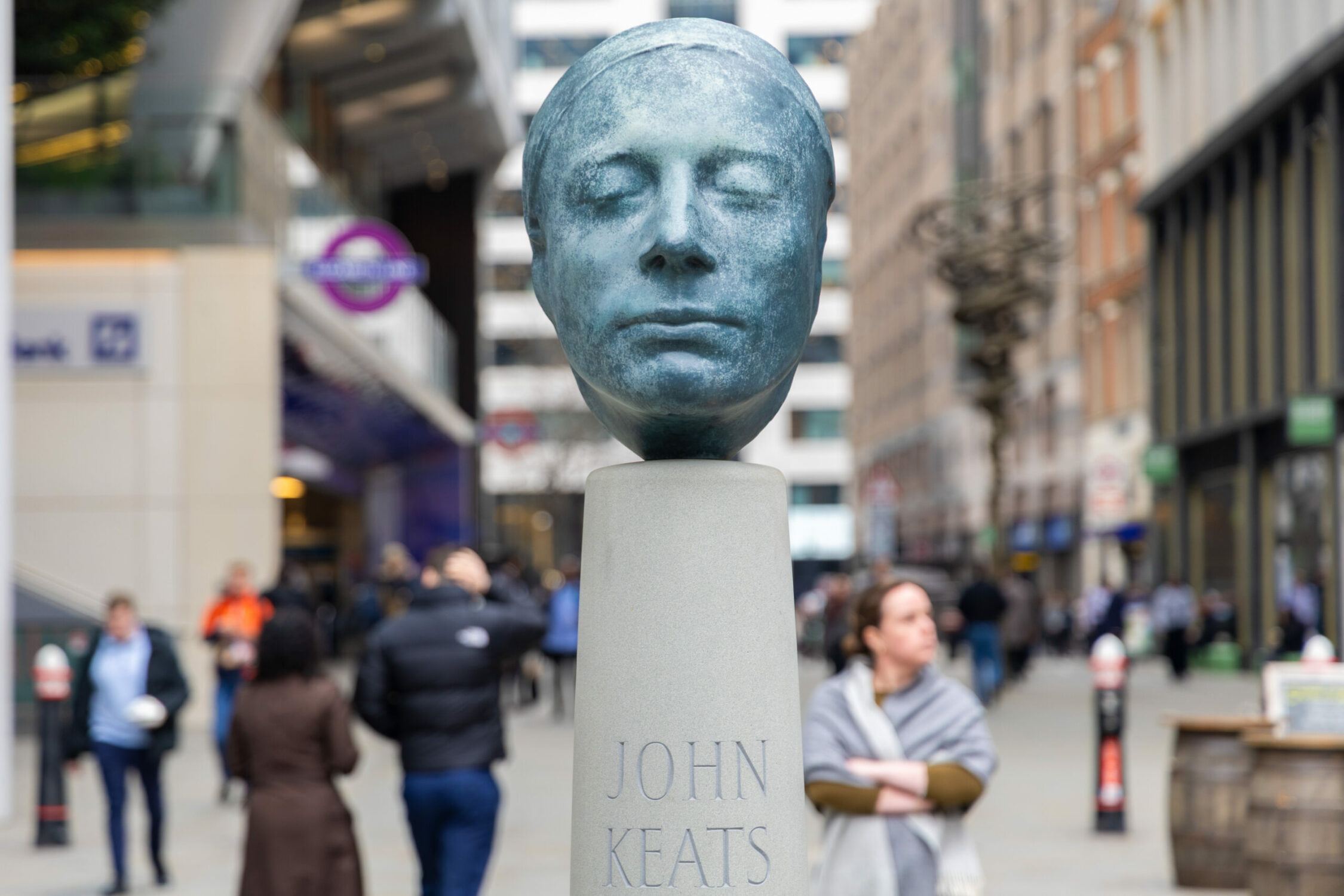
If you head for a pint at The Globe, you'll also come across a statue of Keats outside, so you can pay homage while having a drink in his honour.
Robert Hooke (1635–1703)
As one of the architects responsible for rebuilding the City after the Great Fire, Robert Hooke more than deserves a spot on this list.
Originally a scientist, Hooke was a teacher of geometry at St. Gresham’s College near Chancery Lane, which was also his residence.
Just six months after the Great Fire, he, together with leading man Wren and a small number of architects, was asked to rebuild the entire City. Much of what you see today can be all thanks to Robert Hooke, a huge influence on the environment around us.
Practical info
If you'd like to dive into some more history of the Square Mile, check out the walking tours on a huge range of topics, from the Great Fire of London and Samuel Pepys, to the secrets of the City and today's financial heart.