By Luke Chapman
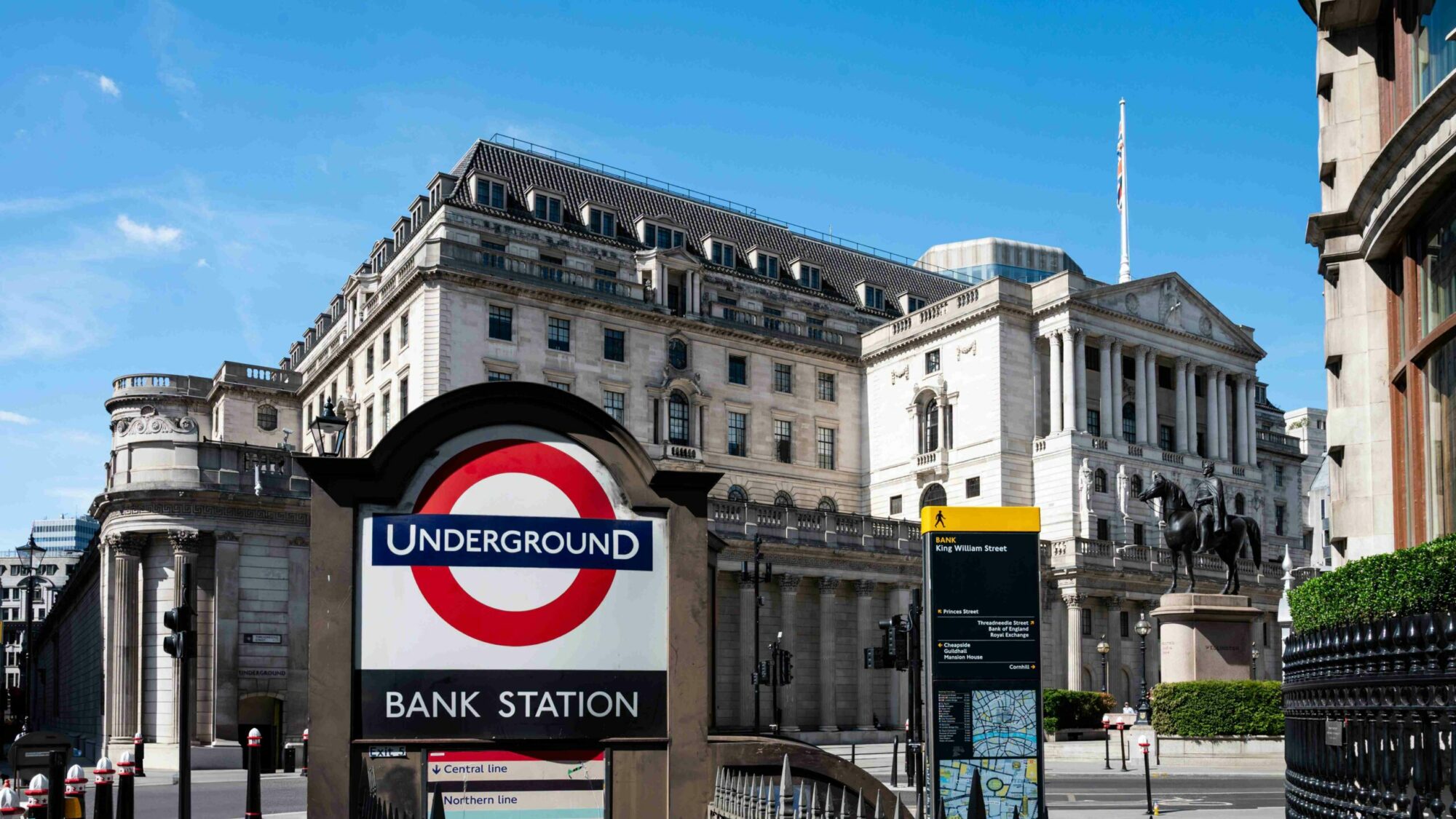
Bank Station, love it or hate it, it does get you where you need to go. As one of the UK’s busiest interchange stations, it’s a staple of the City and can get you from just about anywhere, to anywhere with only a change or two.
It might take you about 45 minutes just to switch tube lines, but sometimes you just can’t help but love her.
Everyone normally has questions about Bank: Where am I? Am I in Mordor? Can anyone help me? Is anyone out there? Am I still alive? But fear not, with these exciting facts about Bank, we might not be able to help you navigate the station, but it’ll give you something to think about when you’re stuck down there for days.
- Did you know, Bank has the most exits/entrances of any station in London? We’re now totalling 16 marked exits!
- To match the exits, Bank station has the most escalators of any tube station. So many in fact, we couldn’t even find a specific figure. We’re finding sources anywhere between 31-35. If you fancy going to try count yourself, let us know if you ever resurface and we can update.
- After being unanimously voted as the network’s worst station, a range of updates to the station were completed in 2023 to make the navigation through lines easier.
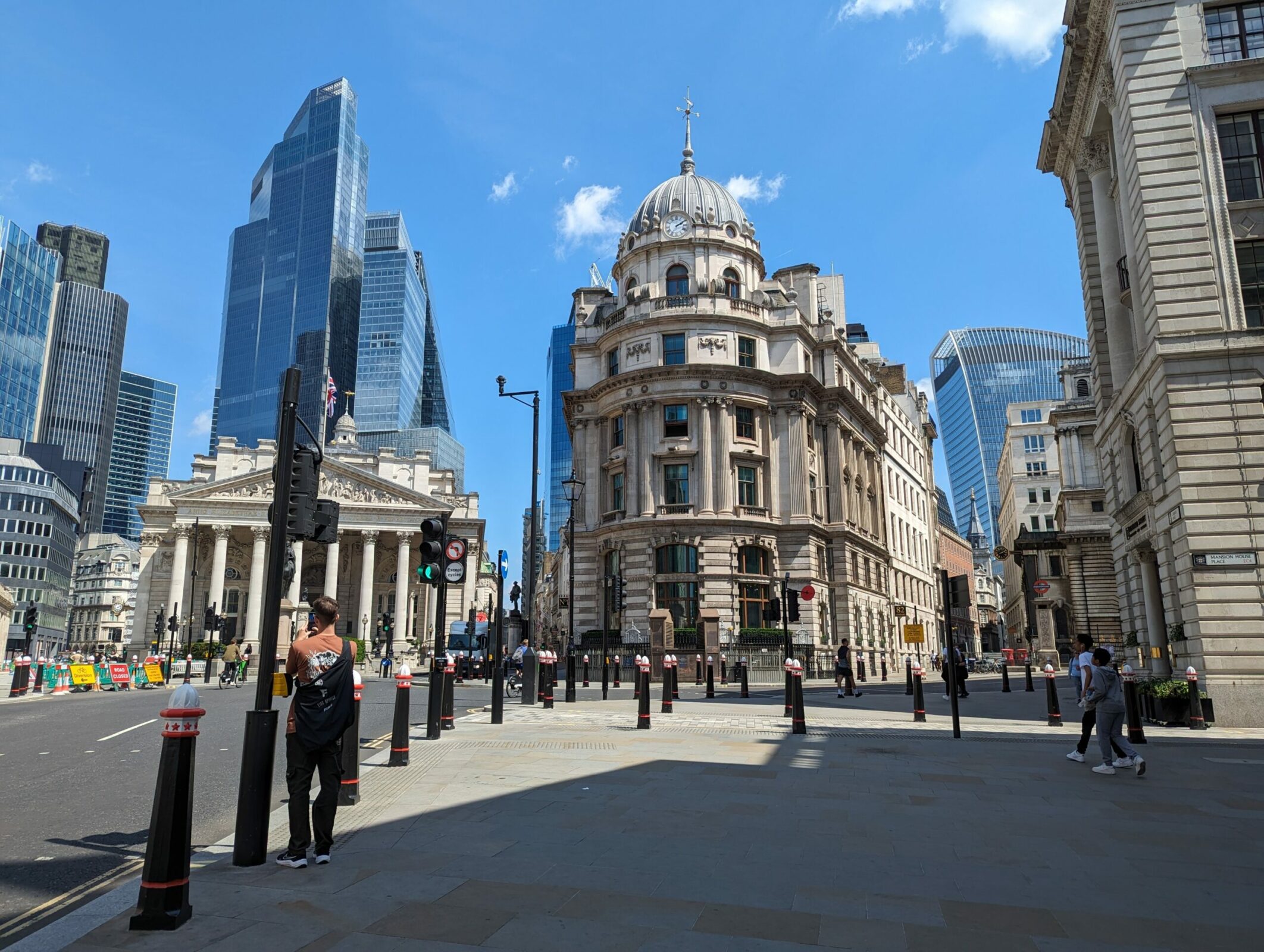
- The station opened in 1900 and is, of course, named after the Bank of England. Also alongside Bank is The Royal Exchange (more here), and Mansion House, the residence of the Lady Mayor. It’s a station for the stars. Bonus fact, whenever engineering works take place, these buildings have to be underpinned due to their listing status and historical importance.
- Bank and Monument are official interchange stations, and you can access Monument station remaining underground and without tapping out, which adds the Circle and District lines into the mix
- Bank does not have any main entrances or ticket halls above ground. ALL ticket halls are located underground, which makes the entrances even harder to find.
- Bank contains London’s deepest platform. When the DLR was extended to Bank, it was introduced below the Northern Line. This put the platform 41.4m under street level, London’s deepest.
- During The Blitz in 1941, Bank Station was hit by a bomb, unfortunately killing 56 people and leaving a big crater outside Bank. There is still a plaque in the station to mark those lives lost in the incident.
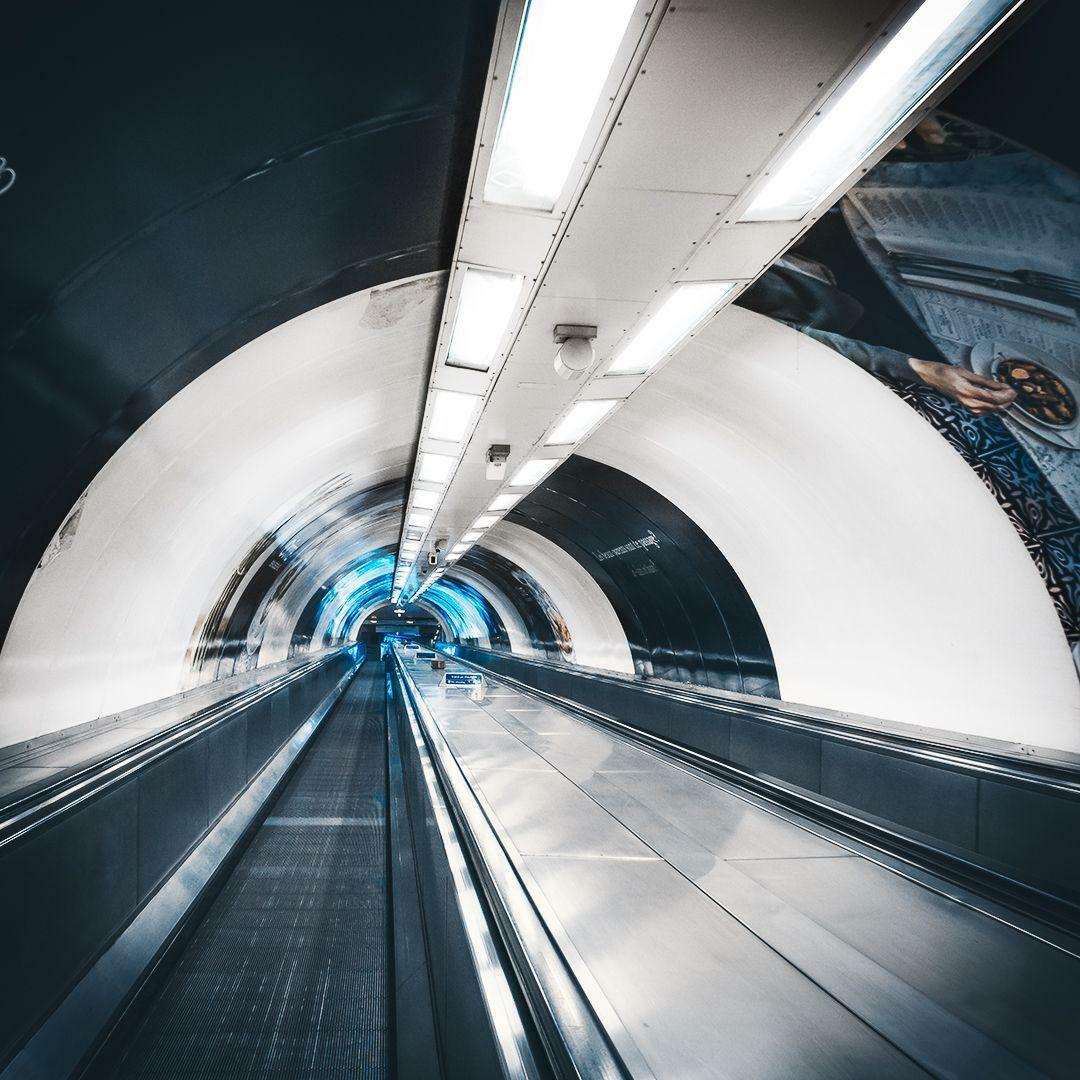
- There are two things which Bank and Waterloo are the only stations on the network to have. Both are the only stations on the Waterloo & City line, and both are the only tube stations to have moving walkways!
- The entire complex of the Bank/Monument station stretches from Lower Thames Street south of Cannon Street, all the way up to Gresham Street north of The Royal Exchange and The Bank of England.
- In 2024, Bank and Monument station hit the 40 million mark of annual passengers; however it still doesn’t make it into the top 10 lists of busiest underground stations in wider London.
There’s a lot of history and intrigue linked to Bank station. Now you’re armed with these facts, they may not give you the key to exit where the station where you want, but they’re something to curse under your breath as you try to navigate your way out. Enjoy, and good luck.