By Nicola Sheppey
Take a wander up to the northern edge of the City and you’ll spy the three distinctive tower blocks of the Barbican Estate: an iconic part of City architecture since its development in the sixties.
This 35-acre site forms one of the most interesting areas in London, so we’ve taken it upon ourselves to round up five interesting things you might not know about the Barbican Estate.
A brutalist look
Contrary to what you might think, the architectural term ‘brutalist’ wasn’t named for its ‘brutal’ appearance (at least, not in the sense we think of it today) – in fact, the term comes from the French 'béton brut', meaning ‘raw concrete’, and coined by architects Alice and Peter Smithson.
Brutalist architecture boomed in Britain in the sixties, the principles of which lie in high-rise tower blocks, rough, unfinished surfaces, and straight lines.
It’s something of a marmite style of architecture today, either loved or hated by onlookers – but whatever your thoughts, it gives the Barbican Estate a very distinctive look.
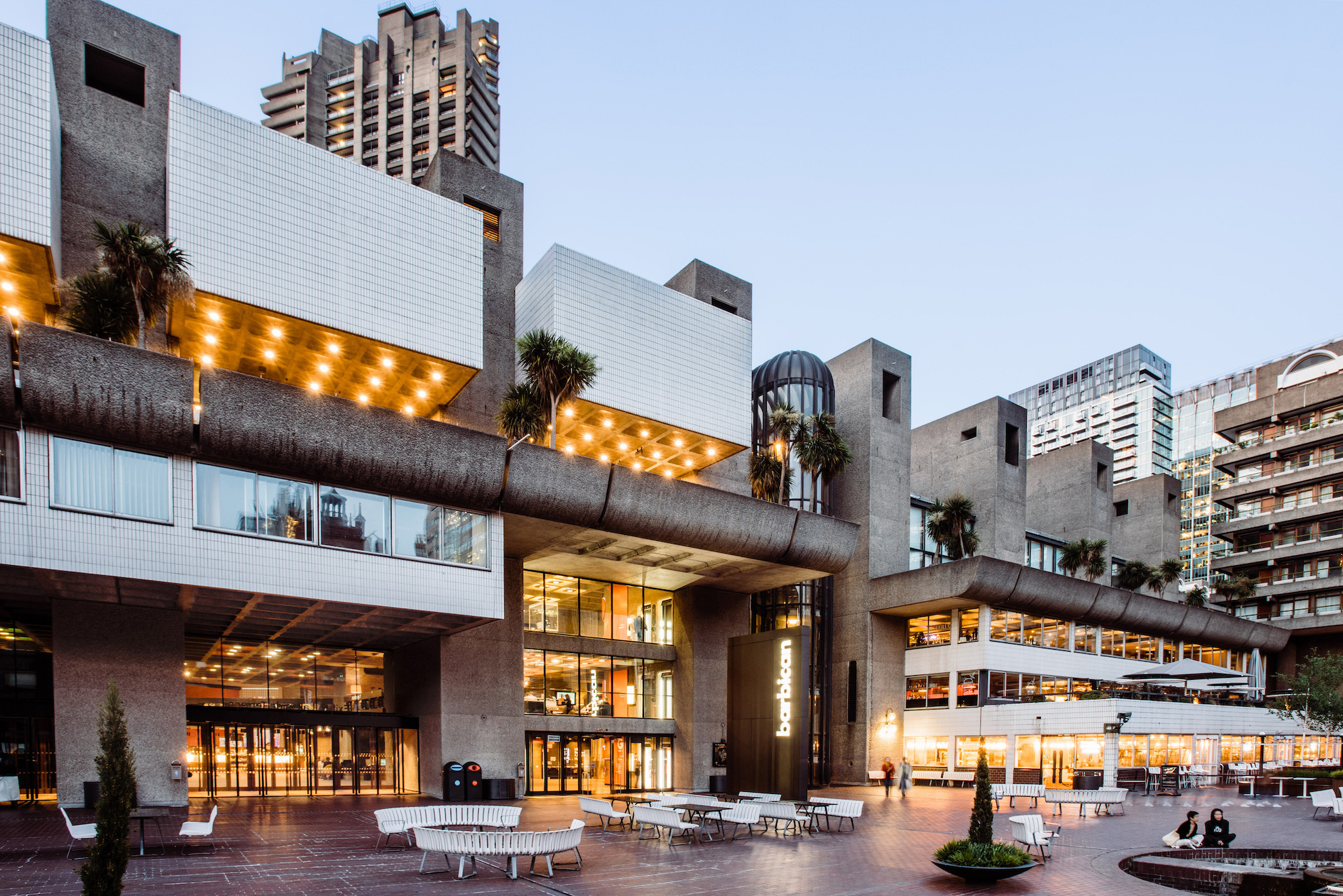
The Barbican Centre. Photo Credit: Max Colson
Walking in the air
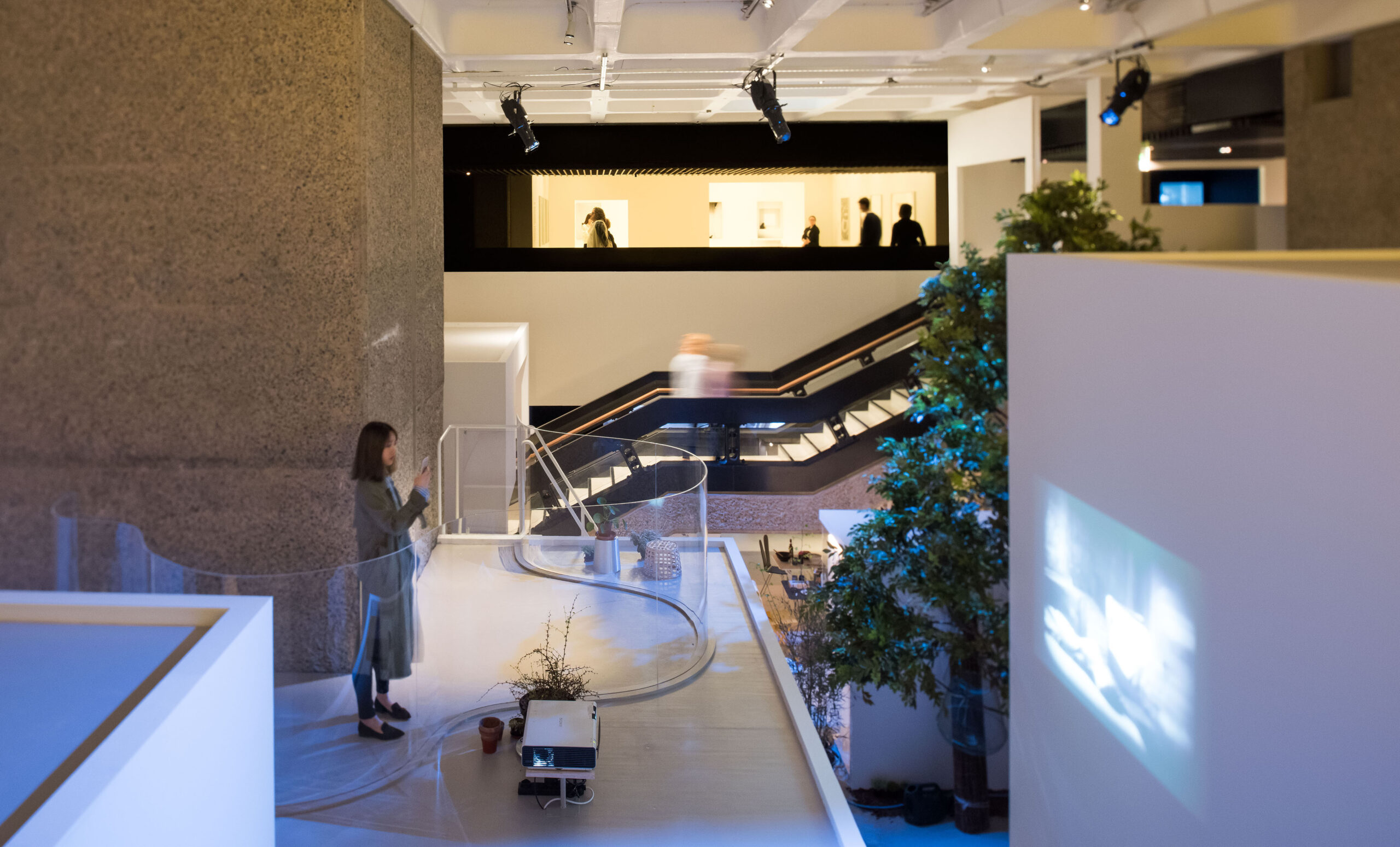
After the Blitz destroyed a great amount of the City in the 1940s, there were grand ideas for what the City might look like in its modern day, including elevated pedestrian walkways that lifted its citizens high above the traffic below.
The ‘pedway’ was designed to clear the streets of pesky pedestrians so traffic would increase, but it was largely abandoned or demolished due to a combination of being too expensive and too rarely used.
For now, the only way to experience what it might have been like is to wander around the Barbican highwalk – making the Estate even more of a time capsule of British architecture.
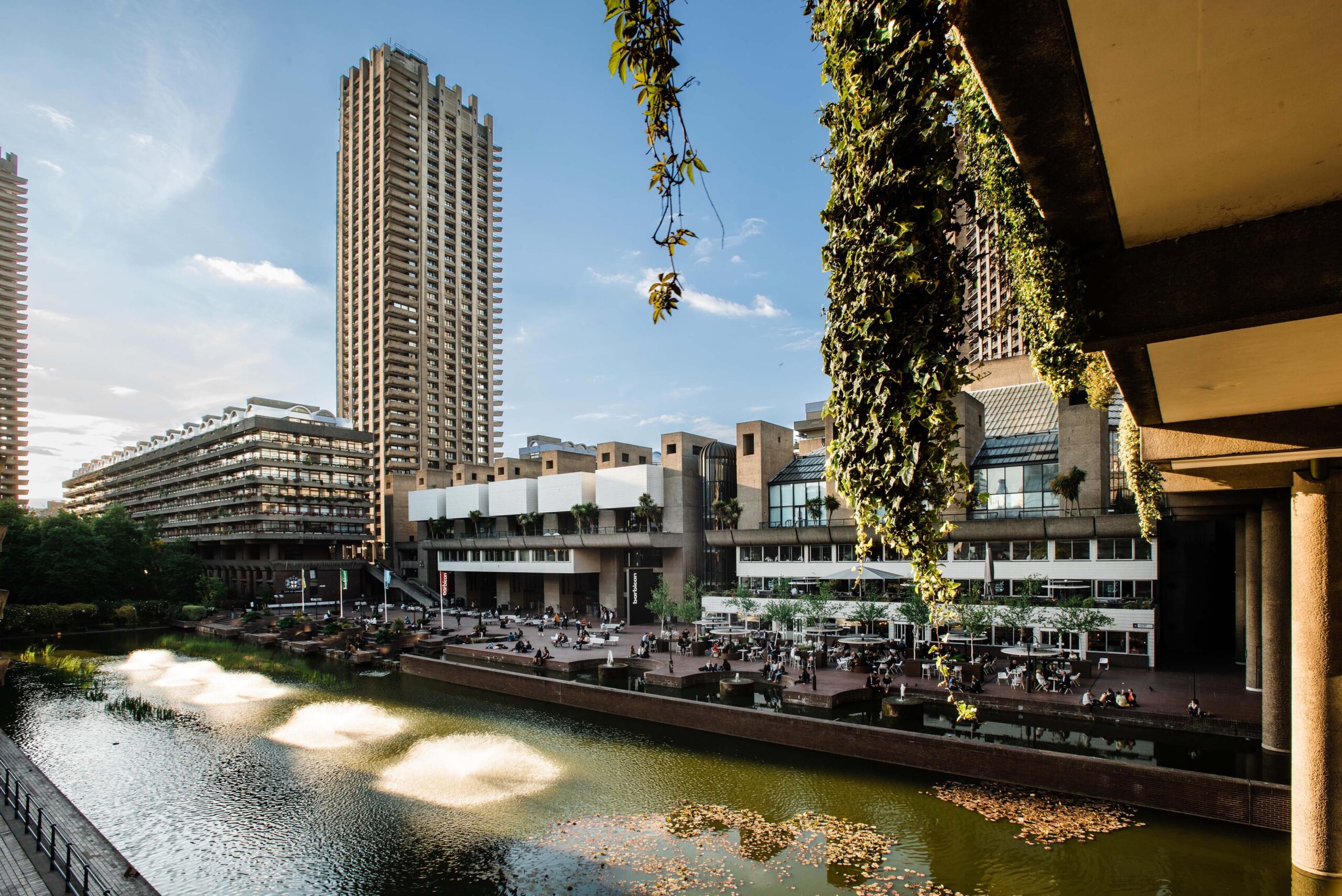
Photo Credit: Max Colson
City Living
The City of London has over half a million people passing through it every day, but only around 9000 residents.
Of these, roughly half live in the 2000 Barbican flats, with landscaped gardens, the lake, a school and a church right on your doorstep – plus one of the most prestigious arts centres in the world, of course.
The flats were initially built for City of London Corporation workers and their families, but after Thatcher introduced the ‘right to buy’ scheme, they were largely bought out by wealthy Londoners, a mix of retirees and working professionals.
They’re not known for being spacious, but you can’t beat the location – and as a result, a Barbican flat today would set you back around £2m.
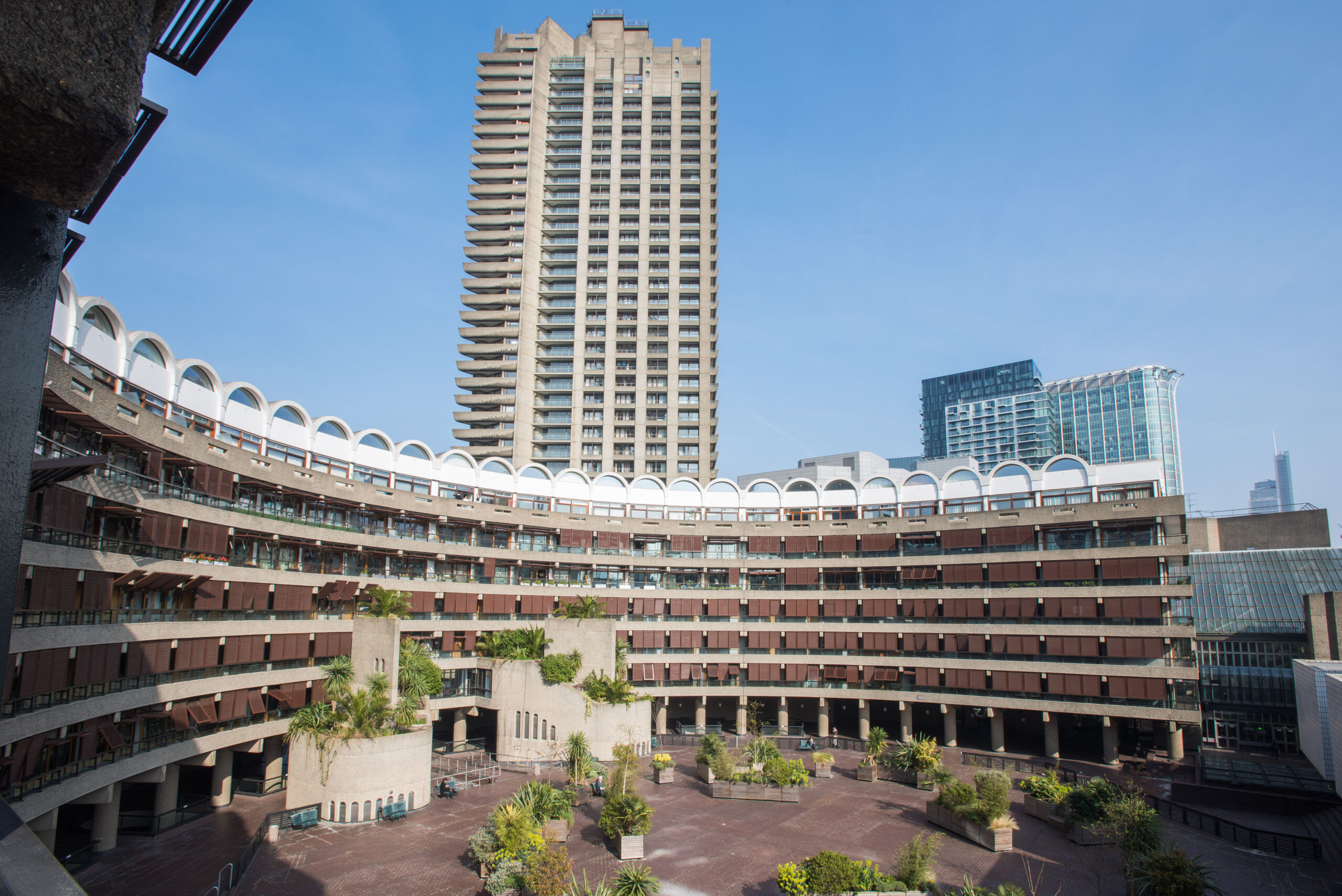
Credit Max Colson
'One of the modern wonders of the world' - HM the Queen
Speaking of that prestigious arts centre, it’s impossible to underestimate the cultural impact of the Barbican Centre, the largest of its kind in Europe.
Home to the London Symphony Orchestra and the Royal Shakespeare Company, among others, it boasts an enormous programme of theatre, classic and contemporary music, dance, cinema, art & design, and more; in 2018-19 it hosted over 4000 arts and commercial events.
It’s not surprising Her Majesty considered it a ‘wonder of the world’ when it opened in 1982.
A tropical oasis
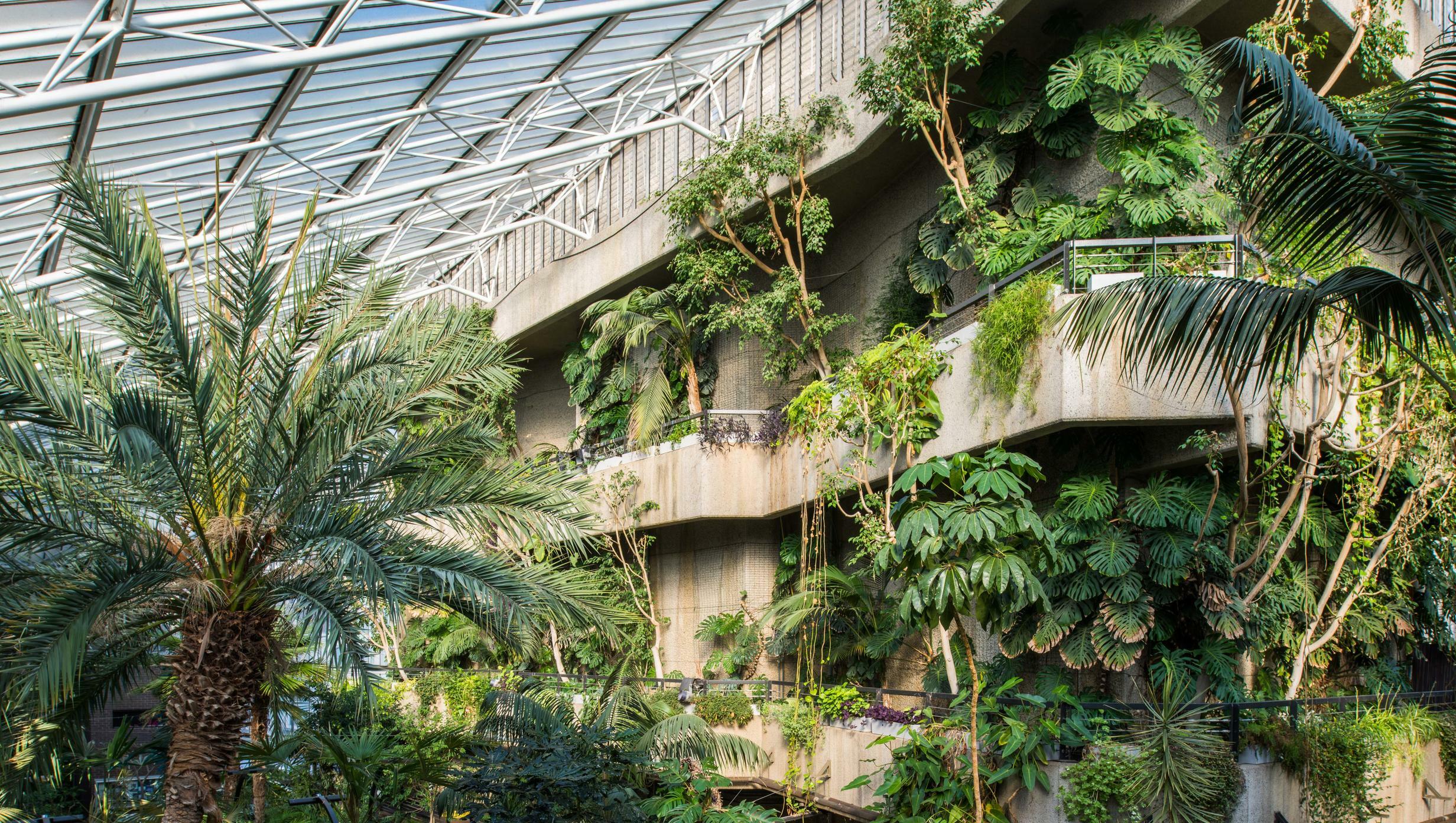
You might not expect much flora and fauna within that brutalist, inner-city facade, but you’d be wrong: the Barbican Conservatory is home to over 1500 species of tropical plants and trees – some of which are endangered in their natural habitats – plus a variety of exotic fish.
It’s open to the public on weekends, and available for wedding hire – it even hosts special events on select weekends throughout the year.
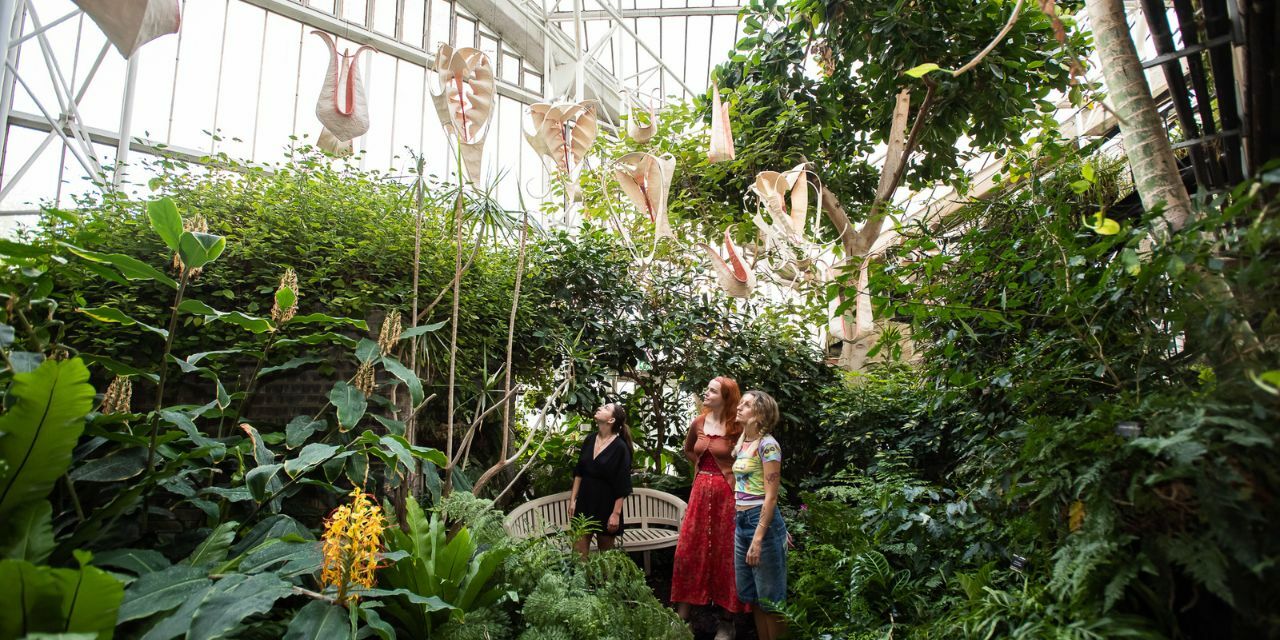
Installation view of Ranjani Shettar: Cloud songs on the horizon, Barbican Conservatory 2023. Courtesy Barbican Centre, KNMA, Ranjani Shettar © Max Colson, Barbican Art Gallery
Practical info
The Barbican hosts a huge range of events, screenings, exhibitions, and much more. To stay on top of all these events, make sure to see our 'What's On' page to see the latest events in the Square Mile.